Conference Dates
September 20–22, 2027

The 2nd International Conference on Orthopedics and Rheumatology (ICOR 2027) is a leading global forum for professionals dedicated to advancing orthopedic surgery, rheumatologic care, and musculoskeletal health. Scheduled for September 20–22, 2027, in Barcelona, Spain, this hybrid event offers the flexibility to participate in person or online, connecting specialists, researchers, and industry leaders from around the world.
Theme: “Joint Frontiers: Advancing Innovation in Orthopedics and Rheumatology,”
ICOR 2027 will highlight cutting-edge research, emerging treatments, and innovative technologies that are transforming the management of arthritis, joint disorders, autoimmune rheumatic diseases, bone health, sports injuries, and rehabilitation strategies. The conference provides a platform to share clinical experiences, present scientific breakthroughs, and discuss the latest advances in musculoskeletal medicine.
Attendees will benefit from keynote sessions, plenary lectures, interactive workshops, and poster presentations, offering opportunities to gain practical insights, network with global experts, and foster collaborations that drive innovation in patient care. From exploring regenerative medicine and minimally invasive orthopedic procedures to the latest in rheumatology research and therapeutic interventions, ICOR 2027 empowers professionals to stay at the forefront of their fields.
Orthopedic surgery has experienced remarkable progress over the past decade, driven by technological innovations and a deeper understanding of musculoskeletal biology. Minimally invasive techniques, such as arthroscopy and keyhole surgeries, have revolutionized joint repair and reconstruction, reducing recovery times and postoperative complications. Robotic-assisted surgeries and computer navigation systems now allow orthopedic surgeons to achieve unprecedented precision in procedures like total knee arthroplasty and spinal fusion. These advancements not only enhance surgical accuracy but also improve patient outcomes, enabling faster mobilization and shorter hospital stays. Additionally, the integration of regenerative medicine, including stem cell therapy and platelet-rich plasma (PRP) injections, has provided alternative solutions for tissue repair and joint preservation, offering patients less invasive options compared to traditional surgery.
The role of imaging technologies in orthopedic surgery has also evolved, with 3D printing and patient-specific implants transforming preoperative planning and custom prosthetic development. Personalized surgical solutions ensure better anatomical fit, improved functionality, and longer-lasting results. Moreover, enhanced recovery protocols and multidisciplinary approaches, combining physical therapy and pain management strategies, have significantly improved postoperative rehabilitation. Telemedicine and remote monitoring tools now allow continuous patient assessment, ensuring early detection of complications and optimizing long-term outcomes. Together, these advances underscore a new era in orthopedic care one that emphasizes precision, personalization, and rapid recovery, ultimately improving the quality of life for patients suffering from musculoskeletal disorders.
Minimally invasive and robotic-assisted surgeries have transformed orthopedic care by offering precision, safety, and faster recovery for patients. Minimally invasive techniques, such as arthroscopy and small-incision joint replacements, reduce tissue damage, minimize scarring, and shorten hospital stays. These procedures allow surgeons to access joints and bones with specialized instruments and cameras, improving visualization while decreasing postoperative pain and rehabilitation time. Patients benefit from quicker mobility, lower infection risk, and a faster return to daily activities, making these approaches increasingly preferred for treating conditions like torn ligaments, meniscus injuries, and early-stage osteoarthritis.
Robotic-assisted surgeries take this innovation further by combining advanced imaging, computer planning, and robotic arms to enhance surgical accuracy. In procedures like total knee or hip replacements, robots assist surgeons in aligning implants with millimeter-level precision, optimizing joint function and durability. Patient-specific instrumentation, guided by 3D models, ensures better fit and reduces complications. Moreover, robotic systems allow for real-time adjustments during surgery, improving outcomes and long-term joint performance. Together, minimally invasive and robotic-assisted orthopedic surgeries exemplify the shift toward precision medicine, where personalized, less traumatic interventions provide superior recovery, reduced complications, and a better quality of life for patients.
Joint replacement and arthroplasty techniques have significantly evolved, offering patients effective solutions for severe joint damage caused by arthritis, trauma, or degenerative conditions. Modern procedures focus on restoring function, reducing pain, and enhancing mobility with greater precision and durability. Total and partial joint replacements, especially of the hip, knee, and shoulder, have benefited from advanced biomaterials such as highly cross-linked polyethylene, titanium alloys, and ceramic components, which improve implant longevity and reduce wear. Surgeons now employ computer-assisted navigation and patient-specific instrumentation to ensure optimal alignment and fit, minimizing the risk of complications and improving long-term outcomes.
Minimally invasive arthroplasty techniques have further revolutionized joint replacement, allowing smaller incisions, less tissue disruption, and faster rehabilitation. Innovations such as robotic-assisted joint replacement and 3D-printed custom implants enable personalized surgery, tailored to the patient’s anatomy, ensuring better joint mechanics and overall satisfaction. Postoperative rehabilitation programs, combined with pain management strategies, support early mobilization and quicker recovery, helping patients return to daily activities and an active lifestyle. These advancements reflect a patient-centered approach in orthopedic surgery, where precision, durability, and faster recovery define the future of joint replacement and arthroplasty care.
Spine surgery has undergone remarkable advancements in recent years, driven by technological innovation, minimally invasive approaches, and improved understanding of spinal pathologies. Traditional open spine surgeries, often associated with long recovery times and significant complications, are increasingly being replaced by minimally invasive techniques. Procedures such as microdiscectomy, percutaneous spinal fusion, and endoscopic decompression allow surgeons to treat conditions like herniated discs, spinal stenosis, and degenerative spine disorders with smaller incisions, reduced blood loss, and faster patient recovery. These approaches also minimize muscle and tissue damage, decreasing postoperative pain and shortening hospital stays.
Robotic-assisted systems and computer navigation have further transformed spine surgery, providing unprecedented precision in procedures such as spinal fusion, scoliosis correction, and vertebral stabilization. Advanced imaging techniques, including intraoperative 3D imaging and CT-guided navigation, help surgeons plan and execute surgeries with millimeter-level accuracy, improving implant placement and overall outcomes. Additionally, innovations in biomaterials, such as bioactive cages and synthetic bone grafts, promote better spinal fusion and healing. Together, these advancements enhance surgical safety, accelerate recovery, and improve long-term spinal function, marking a new era in personalized and high-precision spine care.
Pediatric orthopedics has advanced significantly in diagnosing and managing congenital and developmental musculoskeletal disorders in children. Early detection and intervention are critical, as timely treatment can prevent long-term deformities and functional limitations. Conditions such as clubfoot, hip dysplasia, scoliosis, and limb length discrepancies are now treated with a combination of non-surgical and surgical techniques tailored to the child’s growth and development. Modern bracing systems, casting techniques, and guided growth procedures allow for correction of deformities while minimizing invasive interventions.
Surgical innovations in pediatric orthopedics, including minimally invasive procedures and advanced fixation devices, have improved outcomes for children with congenital and acquired disorders. Computer-assisted planning, 3D-printed implants, and growth-friendly rods for spinal deformities allow precise correction while accommodating future growth. Multidisciplinary care, involving orthopedic surgeons, physiotherapists, and pediatric specialists, ensures comprehensive management, focusing on pain relief, functional improvement, and overall quality of life. These advancements in pediatric orthopedics reflect a shift toward personalized, minimally invasive, and growth-conscious treatment strategies that provide children with the best chance for healthy musculoskeletal development.
Sports injuries are a common concern among athletes and active individuals, ranging from minor strains and sprains to severe ligament tears and fractures. Advances in sports medicine have emphasized a comprehensive approach that includes prevention, accurate diagnosis, and effective management. Preventive strategies, such as strength training, flexibility exercises, proper biomechanics, and protective gear, are essential to reduce the risk of injury. Education on warm-up routines, sport-specific techniques, and recovery protocols further supports injury prevention and enhances athletic performance.
Diagnosis and management of sports injuries have greatly improved with the use of advanced imaging techniques, including MRI, ultrasound, and 3D imaging, which allow precise identification of tissue damage. Treatment options now combine conservative methods, such as physiotherapy, bracing, and platelet-rich plasma (PRP) therapy, with surgical interventions like arthroscopy and ligament reconstruction for severe cases. Rehabilitation programs tailored to the athlete’s sport and functional goals ensure safe and timely return to activity. These integrated approaches in sports medicine not only facilitate optimal recovery but also emphasize long-term joint health and performance, reflecting a modern, holistic approach to sports injury care.
Rehabilitation and physiotherapy play a vital role in musculoskeletal care, ensuring optimal recovery and functional restoration after injuries, surgeries, or chronic conditions. Modern physiotherapy focuses on a patient-centered approach, combining manual therapy, therapeutic exercises, and advanced modalities such as ultrasound, electrical stimulation, and hydrotherapy. These interventions help reduce pain, improve mobility, strengthen muscles, and restore joint function. Early initiation of rehabilitation, even immediately after surgery or injury, has been shown to significantly enhance recovery outcomes and prevent long-term disability.
Advances in technology have further transformed musculoskeletal rehabilitation. Virtual reality, robotics-assisted therapy, and wearable devices now allow real-time monitoring of patient progress, enabling personalized treatment plans and data-driven adjustments. Multidisciplinary care, involving physiotherapists, orthopedic specialists, and occupational therapists, ensures comprehensive management of conditions ranging from fractures and ligament injuries to degenerative joint diseases. Together, these innovations promote faster recovery, improve quality of life, and empower patients to regain independence and participate fully in daily activities, reflecting a holistic approach to modern musculoskeletal care.
Osteoporosis, a condition characterized by reduced bone density and increased fracture risk, has become a significant global health concern, particularly among aging populations. Advances in bone health management emphasize early detection, prevention, and personalized treatment strategies. Diagnostic tools such as dual-energy X-ray absorptiometry (DEXA) scans allow precise assessment of bone mineral density, enabling timely intervention. Lifestyle modifications, including a balanced diet rich in calcium and vitamin D, regular weight-bearing exercise, and avoidance of smoking and excessive alcohol, form the cornerstone of osteoporosis prevention and bone strengthening.
Medical management has also evolved, with pharmacological options like bisphosphonates, selective estrogen receptor modulators, and monoclonal antibodies helping to reduce bone loss and fracture risk. Emerging therapies, including anabolic agents and regenerative treatments, focus on stimulating bone formation and improving overall skeletal strength. Multidisciplinary care involving endocrinologists, nutritionists, and physiotherapists ensures a comprehensive approach to maintaining bone health, addressing both prevention and rehabilitation. These advancements highlight a proactive, patient-centered strategy in osteoporosis care, aiming to enhance bone strength, reduce fractures, and improve long-term quality of life.
Iris Scientific Group takes great pride in announcing the successful outcome of the World Health Care and Nursing Conference (WHCN 2019) which was held in Valencia, Spain from September 23-25, 2019.
For WHCN 2019 Final Program: Click here
For WHCN 2019 Proceedings: Click Here
For WHCN 2019 Gallery: Click Here
In 2019 we were honored with the presence of renowned session leaders and keynote speakers worldwide. We want to thank the scientific committee for their dedicated participation, intellectual expertise, and their high-quality presentations.
Organizing Committee of WHCN 2019:
The Organizing Committee would like to thank the moderators Angela O'Connor, King Edward Memorial Hospital, Australia, and Carrinna A. Hansen, University of Copenhagen, Denmark for their contribution which ensued in the smooth functioning of the conference.
Iris Scientific Group is prerogative to thank the Organizing Committee Members, Keynote speakers; Chairs on engross the plenary sessions, workshops, and special sessions in an expanded manner to make this conference a privileged.
Nursing Conference 2019 Keynote Speakers:
Nursing Conference Speakers:
Nursing Conference 2019 Workshops:
Cynthia Horton, Cecil College, USA
Merita Kaunisto, Kuopio University Hospital, Finland
Hanna-Mari Nevala, Savonia University of Applied Sciences, Finland
Tiina Arpola, Savonia University of Applied Sciences, Finland
Nursing Conference 2019 Poster Presenters:
We congratulate the Best poster award winner Chantira Chiaranai, Suranaree University of Technology, Thailand. We would also like to thank Cynthia Horton, Cecil College, USA who supported us by evaluating the posters.
We thank all the participants for their magnificent contribution towards the event which facilitated us for the successful accomplishment of this event.
We greatly hope to see you again, with added vigor and with your other colleagues in "3rd International Nursing Networking Conference (INNC-2025)" during April 23-25, 2025, at Las Vegas, USA, and in Virtual format.
Iris Scientific Group takes great pride in announcing the successful outcome of the World Catalysis and Chemical Engineering Network Congress (WCCN 2025) which was held in Virtual Mode from April 23-25, 2025.
For WCCN 2025 Final Program: Click Here
In 2025 we were honored with the presence of renowned session leaders and keynote speakers worldwide. We want to thank the scientific committee for their dedicated participation, intellectual expertise, and their high-quality presentations.
Organizing Committee of WCCN 2025:
The Organizing Committee would like to thank the moderators Maria Jose Lavorante, Institution of Scientific and Technological Research for Defense, Argentina and Rahul Hajare, Sandip University, India for their contribution which ensued in the smooth functioning of the conference.
Iris Scientific Group is prerogative to thank the Organizing Committee Members, Keynote speakers; Chairs on engross the plenary sessions, workshops, and special sessions in an expanded manner to make this conference a privileged.
WCCN 2025 Keynote Speakers:
WCCN 2025 Plenary Speakers:
WCCN 2025 Speakers:
We thank all the participants for their magnificent contribution towards the event which facilitated us for the successful accomplishment of this event.
We greatly hope to see you again, with added vigor and with your other colleagues in “2nd World Catalysis and Chemical Engineering Network Congress (WCCN 2026)” during April 22-24, 2026. WCCN 2026 will be a hybrid event, offering both in-person and virtual participation options, allowing attendees to engage from anywhere in the world.
Iris Scientific Group takes great pride in announcing the successful outcome of the 3rd International Nursing Networking Conference (INNC 2025) which was held in Virtual Mode from April 23-25, 2025.
For INNC 2025 Final Program: Click Here
In 2025 we were honored with the presence of renowned session leaders and keynote speakers worldwide. We want to thank the scientific committee for their dedicated participation, intellectual expertise, and their high-quality presentations.
Organizing Committee of INNC 2025:
The Organizing Committee would like to thank the moderators Sofica Bistriceanu, Academic Medical Unit - CMI, Romania, and Anum Fatima, Chiang Mai University, Thailand for their contribution which ensued in the smooth functioning of the conference.
Iris Scientific Group is prerogative to thank the Organizing Committee Members, Keynote speakers; Chairs on engross the plenary sessions, workshops, and special sessions in an expanded manner to make this conference a privileged.
INNC 2025 Keynote Speakers:
INNC 2025 Speakers:
INNC 2025 Poster Presenters:
We thank all the participants for their magnificent contribution towards the event which facilitated us for the successful accomplishment of this event.
We greatly hope to see you again, with added vigor and with your other colleagues in “4th International Nursing Networking Conference (INNC 2026)” during April 13-15, 2026. INNC 2026 will be a hybrid event, offering both in-person and virtual participation options, allowing attendees to engage from anywhere in the world.
Iris Scientific Group takes great pride in announcing the successful outcome of the International Conference on Orthopedics and Rheumatology (ICOR 2027), which was held in Hybrid Mode, with in-person participation in London, United Kingdom, and virtual participation, from August 27–29, 2026.
For ICOR 2026 Final Program: Click Here
In 2026, we were honored by the presence of renowned session leaders, keynote speakers, researchers, physicians, orthopedic specialists, rheumatologists, rehabilitation professionals, and healthcare experts from around the world. We sincerely thank the scientific committee for their dedicated participation, intellectual expertise, and valuable contributions through their high-quality presentations.
ICOR 2027 Scientific Committee Members
Iris Scientific Group extends its sincere appreciation to the Organizing Committee Members, Keynote Speakers, Chairs, and session leaders for their valuable contributions to the scientific sessions, oral presentations, poster presentations, workshops, and special sessions, which contributed greatly to the success of the conference.
ICOR 2027 Keynote Speakers
ICOR 2027 Oral Speakers
ICOR 2027 Poster Presenters
ICOR 2027 Workshop Speaker
We sincerely thank all the participants for their enthusiastic participation and valuable contributions, which helped facilitate meaningful scientific exchange and contributed to the successful accomplishment of the International Conference on Orthopedics and Rheumatology (ICOR 2026).
We greatly hope to see you again, along with your colleagues, at the 2nd International Conference on Orthopedics and Rheumatology, scheduled to take place from September 20–22, 2027, in Barcelona, Spain & Online.
The 2nd International Conference on Orthopedics and Rheumatology will be a hybrid event, offering both in-person and virtual participation options, allowing attendees from around the world to engage in scientific discussions, share their research, and connect with fellow professionals.
Iris Scientific Group takes great pride in announcing the successful outcome of the International Cancer Conference (ICC 2025) which was held in Virtual Mode from November 27-29, 2025.
For ICC 2025 Final Program: Click Here
In 2025 we were honored with the presence of renowned session leaders and keynote speakers worldwide. We want to thank the scientific committee for their dedicated participation, intellectual expertise, and their high-quality presentations.
Organizing Committee of ICC 2025:
The Organizing Committee would like to thank the moderators Don Mathew, Pacific Medical College & Hospital, India for his contribution which ensued in the smooth functioning of the conference.
Iris Scientific Group is prerogative to thank the Organizing Committee Members, Keynote speakers; Chairs on engross the plenary sessions, workshops, and special sessions in an expanded manner to make this conference a privileged.
ICC 2025 Keynote Speakers:
ICC 2025 Speakers:
We thank all the participants for their magnificent contribution towards the event which facilitated us for the successful accomplishment of this event.
We greatly hope to see you again, with added vigor and with your other colleagues in “2nd Edition of International Cancer Conference (ICC 2026)” during November 09-11, 2026. ICC 2026 will be a hybrid event, offering both in-person and virtual participation options, allowing attendees to engage from anywhere in the world.
Iris Scientific Group takes great pride in announcing the successful outcome of the Global Conference on Material Science and Nanotechnology (GCMN 2025) which was held in Virtual Mode from April 28-30, 2025.
For GCMN 2025 Final Program: Click Here
In 2025 we were honored with the presence of renowned session leaders and keynote speakers worldwide. We want to thank the scientific committee for their dedicated participation, intellectual expertise, and their high-quality presentations.
Organizing Committee of GCMN 2025:
The Organizing Committee would like to thank the moderators Santoshi Misra, St. Ann's College for women, India for her contribution which ensued in the smooth functioning of the conference.
Iris Scientific Group is prerogative to thank the Organizing Committee Members, Keynote speakers; Chairs on engross the plenary sessions, workshops, and special sessions in an expanded manner to make this conference a privileged.
GCMN 2025 Keynote Speakers:
GCMN 2025 Plenary Speakers:
GCMN 2025 Speakers:
GCMN 2025 Poster Presenters:
We thank all the participants for their magnificent contribution towards the event which facilitated us for the successful accomplishment of this event.
We greatly hope to see you again, with added vigor and with your other colleagues in “2nd Global Conference on Material Science and Nanotechnology (GCMN 2026)” during April 13-15, 2026.
GCMN 2026 will be a hybrid event, offering both in-person and virtual participation options, allowing attendees to engage from anywhere in the world.
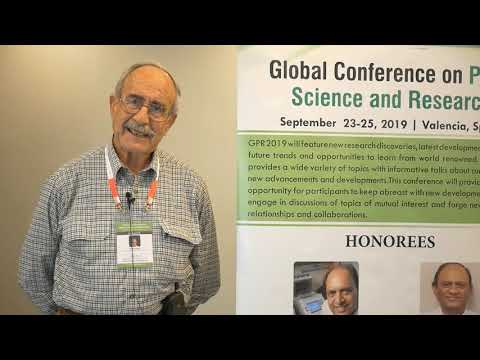
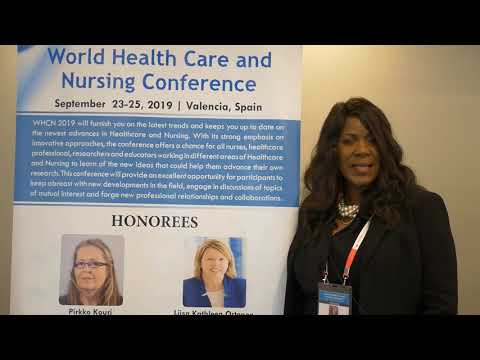
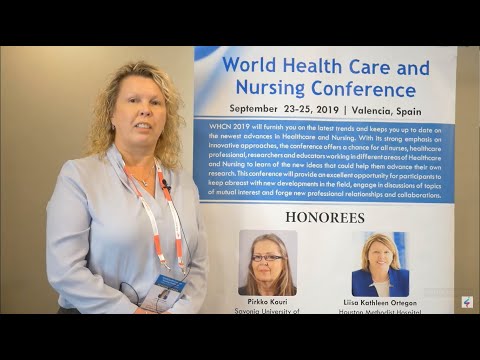
Thank YOU! For a wonderful experience. I met so many amazing people from all over the world and many of us bonded going forward. All the presentations were full of new and exciting things to hear and the hotel was just lovely. I enjoyed every minute.
 Penny Daugherty
Northside Hospital Cancer Institute, USA
Penny Daugherty
Northside Hospital Cancer Institute, USA
I met some extraordinary nurses from all over and was so impressed with their work
 Elaine Clear
St Vincent's University Hospital, Ireland
Elaine Clear
St Vincent's University Hospital, Ireland
Such a distinguished conference and the entire magnificent organization
 Elena Baixauli Gallego
University of Valencia, Spain
Elena Baixauli Gallego
University of Valencia, Spain
Overall, the Conference was a success. Interesting topics and excellent speakers
 Elvessa Narvasa
Canadian Council of Cardiovascular Nurses, Canada
Elvessa Narvasa
Canadian Council of Cardiovascular Nurses, Canada
Thank you very much for a nice and interesting conference in Valencia, I really enjoyed it!
 Carrinna A. Hansen
University of Copenhagen, Denmark
Carrinna A. Hansen
University of Copenhagen, Denmark
The conference added value to me on medical robots as I would like to apply them to Zambia.
 Margaret C. Maimbolwa
University of Zambia, Zambia
Margaret C. Maimbolwa
University of Zambia, Zambia
An amazing scientifically enriching continued professional development meaningful experience with a brilliant platform for dynamic collaborations with interactive discussions and expert opinion-insights offering fascinating translational/public health avenues for evidence-based novel immunotherapy regimens and eventual design of predictive biomarkers for cost-effective disease management of inflammatory diseases with emphasis on evidence-based health management viz. gynecologic disorders/diseases in women of diverse genetic landscapes and lifestyles.
 Saumya Pandey
Indira IVF Hospital, India
Saumya Pandey
Indira IVF Hospital, India
The INNC platform provides information from various fields in healthcare for nurses, researchers, educators, administrators, policymakers, and students to improve their knowledge and experiences. In this new digital era, exchanging information in a real and virtual community promises to be a more efficient and attractive way to enrich our lives, foster meaningful relationships, and build a comprehensive and informative database for a better inner world and existence. Participation in these events gratifies people with credentials, recognizing their involvement in learning and contribution to science advancement.
 Sofica Bistriceanu
Academic Medical Unit - CMI, Romania
Sofica Bistriceanu
Academic Medical Unit - CMI, Romania
Dear colleagues, thank you for the honor and opportunity to participate in the conference! As always, the geography of the participants, the diversity of topics, and the breadth of interests are pleasing. Various aspects related to nursing, teaching methods, and preventive medicine were important. Such a broad exchange of opinions serves mutual enrichment, deepening mutual understanding, and international cooperation. I wish you further success and prosperity!
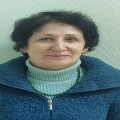 Petrova Nataliya
Saint Petersburg State I. P. Pavlov Medical University, Russian Federation
Petrova Nataliya
Saint Petersburg State I. P. Pavlov Medical University, Russian Federation
Thank you for allowing me to participate in the conference. It was indeed an honor to share information with colleagues from around the world in a virtual setting. By using this technology platform, we are able to become more engaged and immersed in clinical research which truly can make an impact on future clinical practice. I am looking forward to the next INCC conference where knowledge is exchanged and shared.
 Daryle Wane
Pasco-Hernando State College, United States
Daryle Wane
Pasco-Hernando State College, United States
It was my first participation on an international conference. It was a very valuable and exciting experience for me. The special thing was to understand the different participants because of their mother tongue. My greatest fear was not to be able to understand the others, an other doubt was the insufficiency of my english. so, my advice for every new participant is not to be too nervous, because this event is great and connects us! It would be great to stay in touch.
Wish you all the best and hope to hear from you!!
 Schaffer Daniela
Klagenfurt Hospital, Austria
Schaffer Daniela
Klagenfurt Hospital, Austria
International Nursing Networking Conference (INNC) 2025. Attending INNC 2025 was an incredible experience. I connected with passionate professionals from around the world, gained valuable insights, and left feeling truly inspired. The sessions were impactful, the networking was genuine, and it reminded me why I chose nursing in the first place. I'm grateful for the opportunity and highly recommend it to anyone in the field.
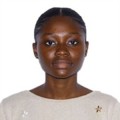 Lilian Sitsofe Ziga
Nursing and midwifery training college Odumase krobo, Ghana
Lilian Sitsofe Ziga
Nursing and midwifery training college Odumase krobo, Ghana
I had the honor of participating with you in your major scientific conference. I hope you will share the conference documents with me. Thank you for the opportunity. I am currently developing a detailed protocol on the role and policies of nursing during disasters and catastrophes, including the role of nursing in nuclear disasters. I hope to have future scientific meetings to share and develop science.
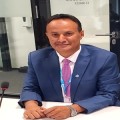 Yousef Ahmed Al shaabi
Sanaa University, Yemen
Yousef Ahmed Al shaabi
Sanaa University, Yemen
Great greetings, Thanks a lot for your great efforts & unlimited care. It was a great & valuable conference. All presentations were fruitful. Looking for more future collaboration.
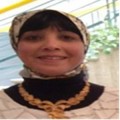 Eman Salman Taie
Helwan University, Egypt
Eman Salman Taie
Helwan University, Egypt
I sincerely appreciate the privilege to be part of the participants at GCMN 2025. The conference was indeed an eye opener to the advancements in Material Science in various continents of the earth. The conference was really a success. Special thanks to the organizers of the academic conference for their hard work and support given to all participants before, during and after the scheduled conference activities.
 Olaniyi Awe
Obafemi Awolowo University, Nigeria
Olaniyi Awe
Obafemi Awolowo University, Nigeria

Copyright © 2021 IRIS Scientific Group | All Rights Reserved Terms and Conditions | Privacy Policy